
Automated Objective Changer
This was my first fully fledged product I managed and designed at Zaber. The requirements for the X-MOR4 were simple but devilish:
- Compatible with every combination of XY stage, objective, and illumination possible on the MVR
- Works upside down for use on both inverted and upright microscopes
- Must fit inside the tight footprint of the current system
- Survive 24/7 operation in a high throughput scanning system for several years
- Locate objectives repeatably below 20 micron!
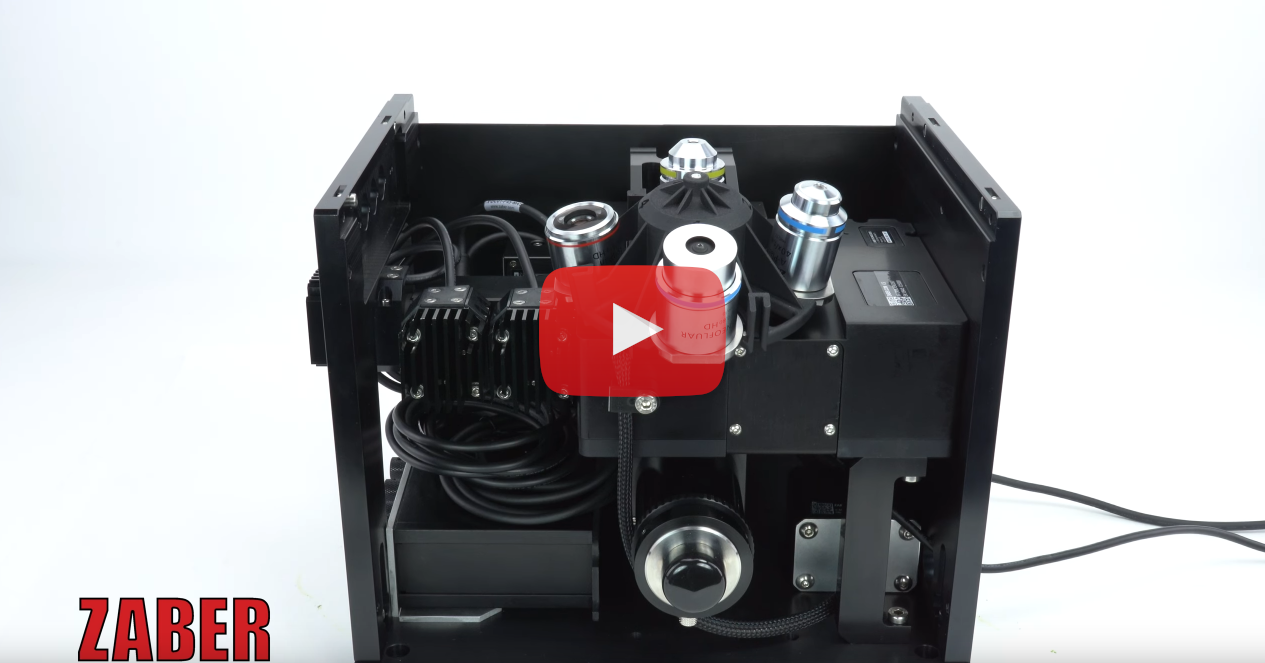
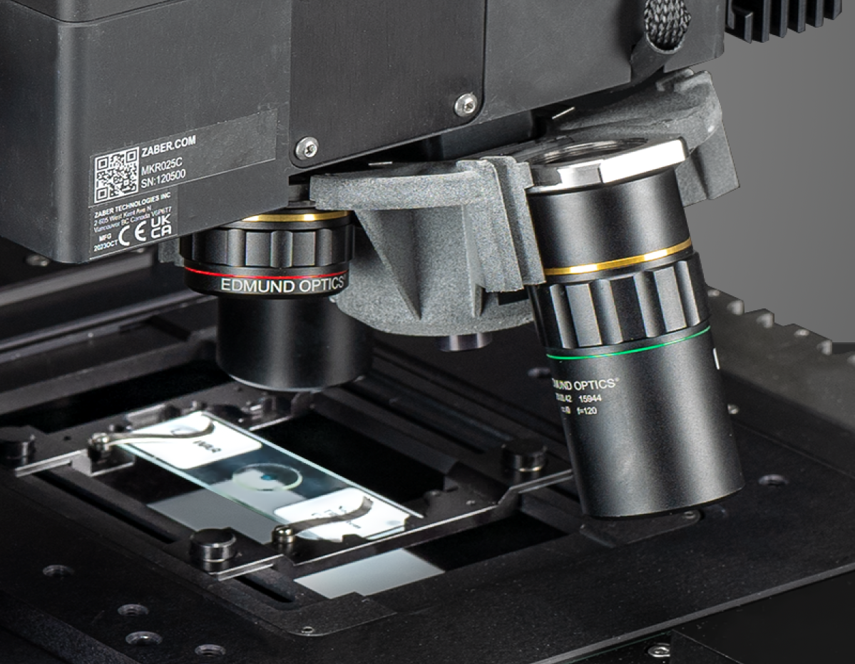
After a series of hand-made prototypes with springs, kinematic ball contacts, and dovetails I came to the conclusion that the only way to achieve this was to completely remove any sliding contact with the locating features.
Finding a space for the motor was also difficult since any kind of gear / pulley system seemed to conflict with other pieces of the microscope. Due to the low axial and thrust loads, I chose a hub motor configuration which places the motor in the center of the turret axis for maximal space efficiency and minimum part count.
Magshuttle
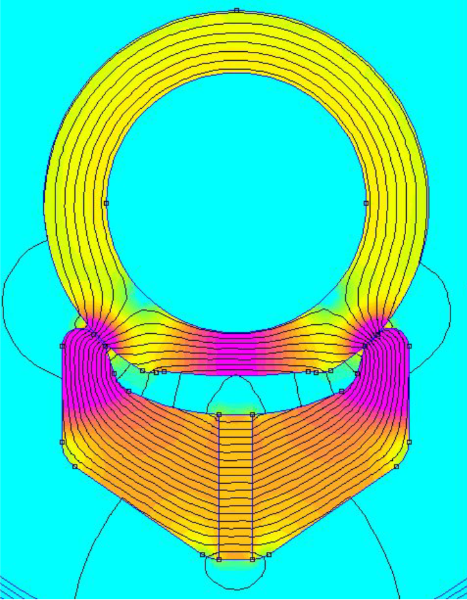
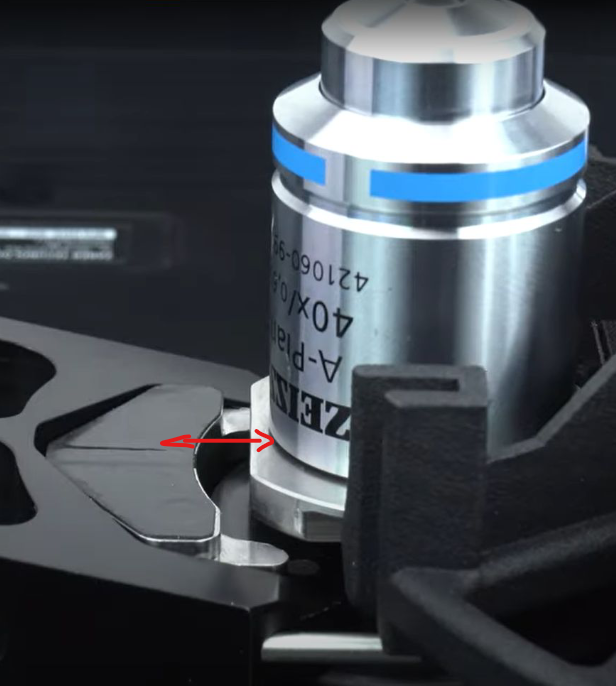
The secret to the X-MOR is the set of magnetic circuits which “hand off” the objective between each other using the existing focus axis. This means that the precise alignment features never see a sliding motion and all wear contacts are a good combination of hard stainess on soft plastic.
This mechanism allows the X-MOR to dramatically lower moving mass of the focus stage compared to conventional solutions which move the entire inventory of objectives.
Loading
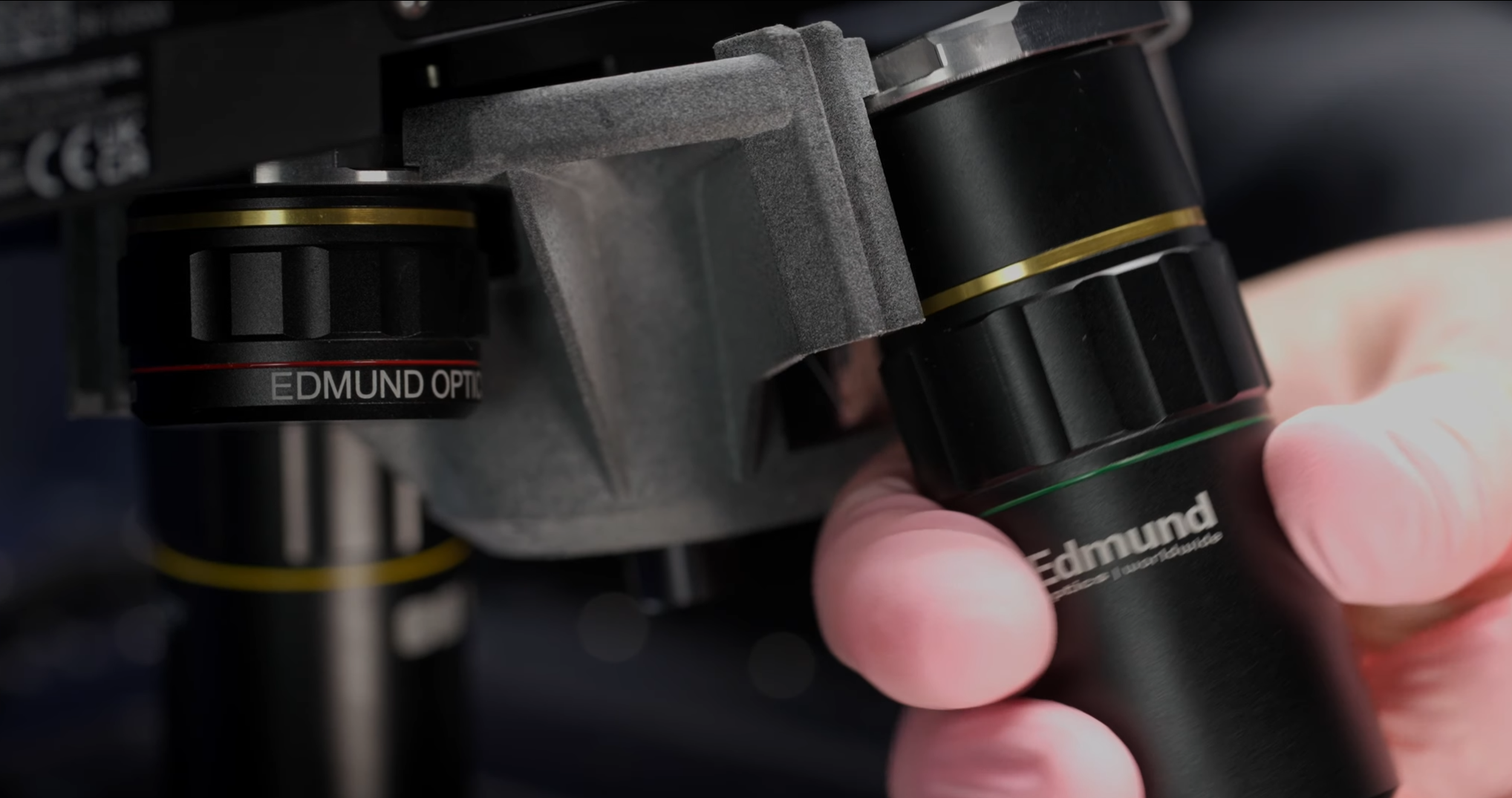
The magnetic retention also makes it very easy to load and unload the objective changer with any objectives on the market. Simply chose the right magnetic objective adapter and snap it into place!
3D printed turret
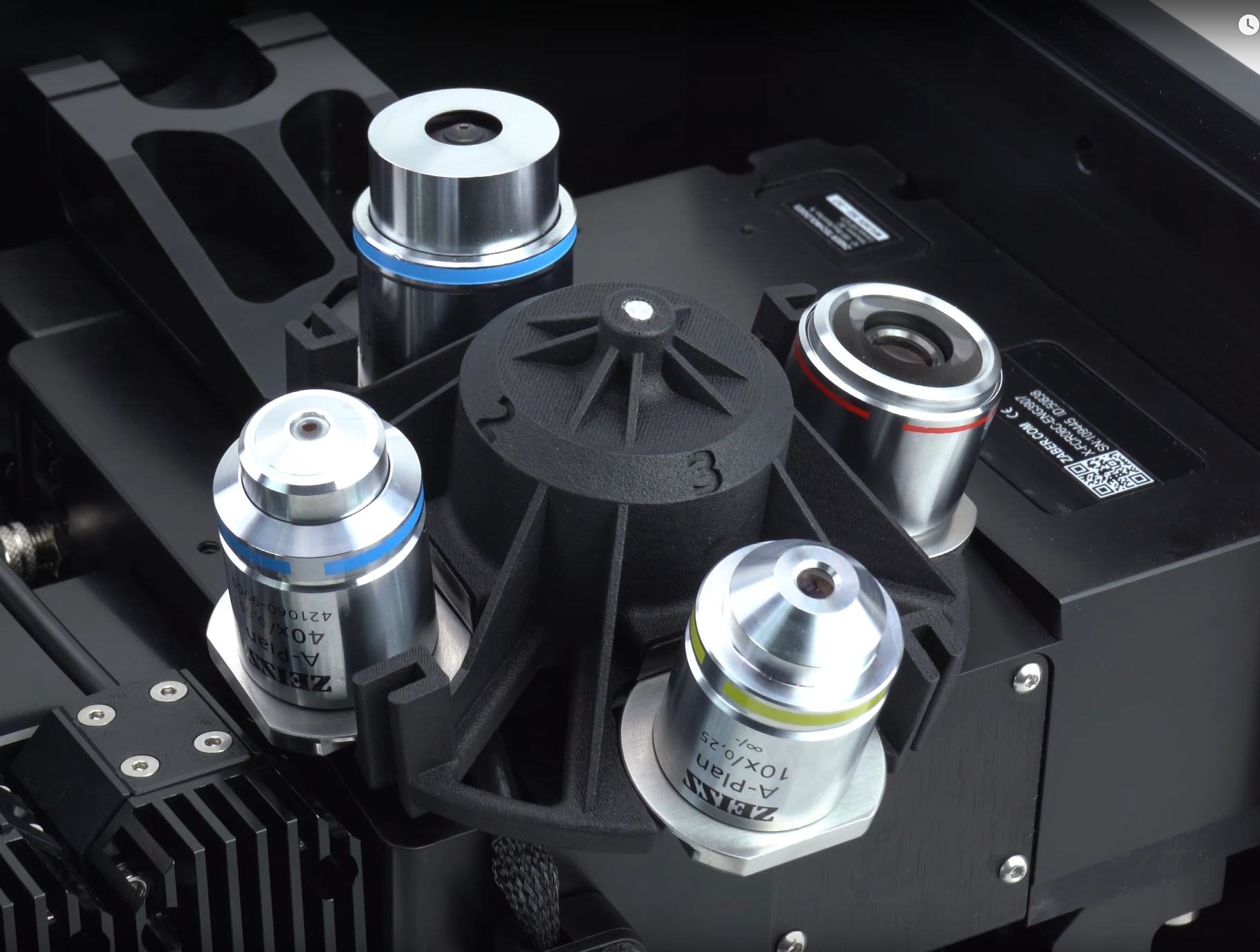
The turret’s job is to hold up to 4 objectives and aligning them to the focus axis even when the system loses power. The turret indexes to the the focus stage with a guide pin to make sure that they always stay locked together when an objective is engaged.
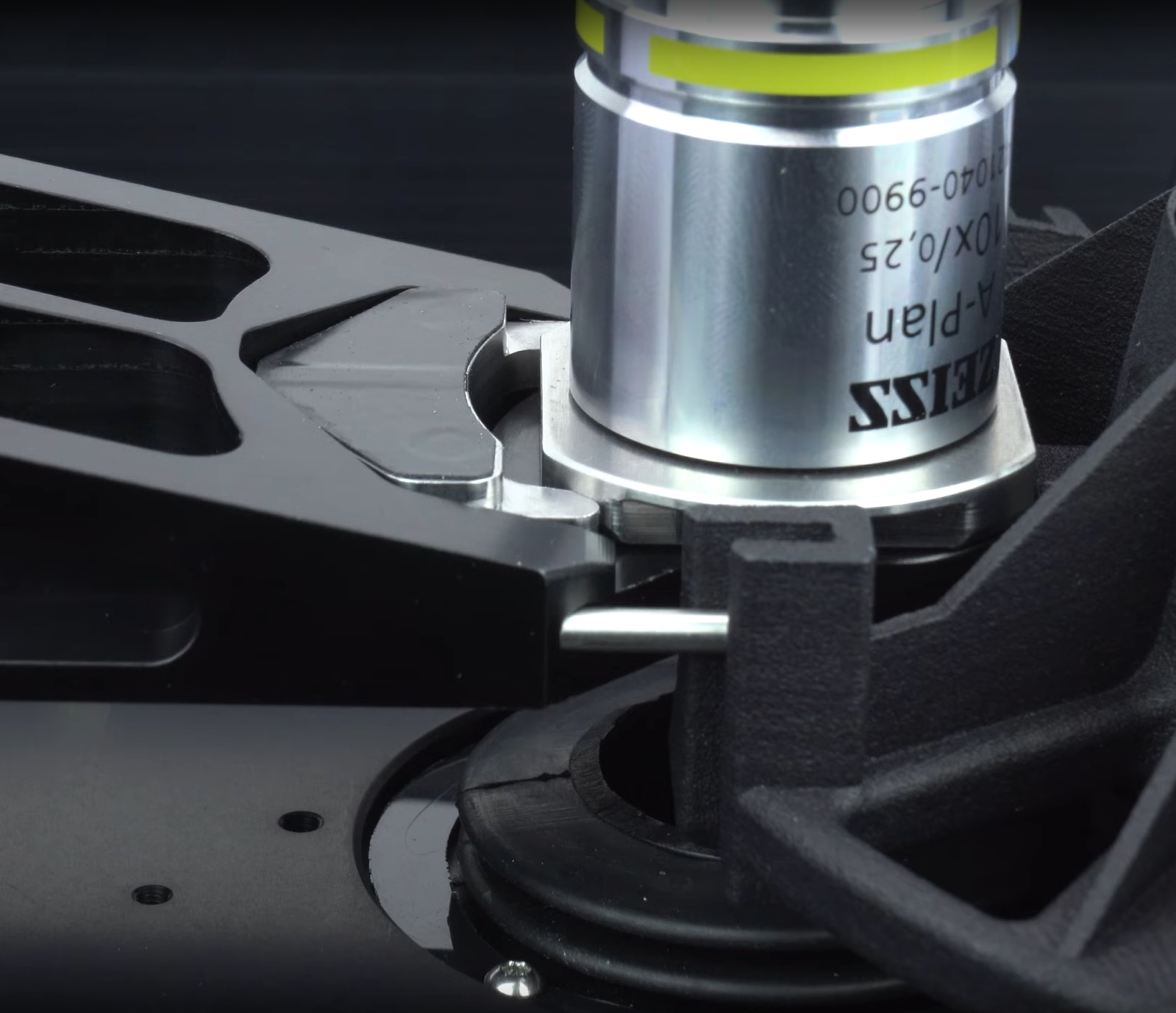 The turret is a low-volume high complexity part and was an excellent opportunity for 3d printing and I selected a glass-reiniforced MJF part for the final design. The Nylon 12 with the glass is impressively stiff and dimensionally stable at a fraction of the cost of a machined component.
Results
I’ve now run lifetime tests on several units with even more running sucessfully in the field, totalling well over 1.2 Million cycles, equivalent of years of operation. After the longest tests we measured <25 micron of wear on the surfaces of the objective adapters which are a replacable component.